
Transform Your Outdoors with Expert Hardscaping and Softscaping Services
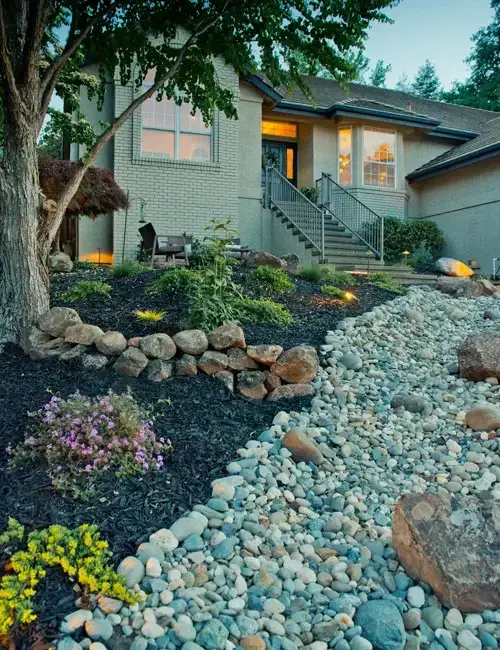
A well-planned outdoor transformation improves both a home’s appearance and function. Hardscaping and softscaping are complementary disciplines: hardscaping covers nonliving elements such as patios, walkways, and retaining walls; softscaping covers living elements like plants, trees, and flowers. This article explains how each service adds value, how options are tailored to your needs, and what to expect during consultation and delivery by experienced professionals.
A sustainable, comfortable outdoor space depends on carefully integrating and balancing these elements.
Balancing Hardscape & Softscape for Sustainable Outdoor Design
These results highlight the importance of balancing hardscape and softscape areas, integrating vegetation and water features, and utilizing light-colored materials in dispersed patterns. The study provides actionable insights for urban planners and landscape architects designing sustainable, climate-adaptive cities.
The effective landscape design parameters with high reflective hardscapes: guidelines for optimizing human thermal comfort in outdoor spaces by design-a case on …, RA Abdelwahab, 2025
Boost Curb Appeal with Expert Outdoor Hardscaping & Softscaping
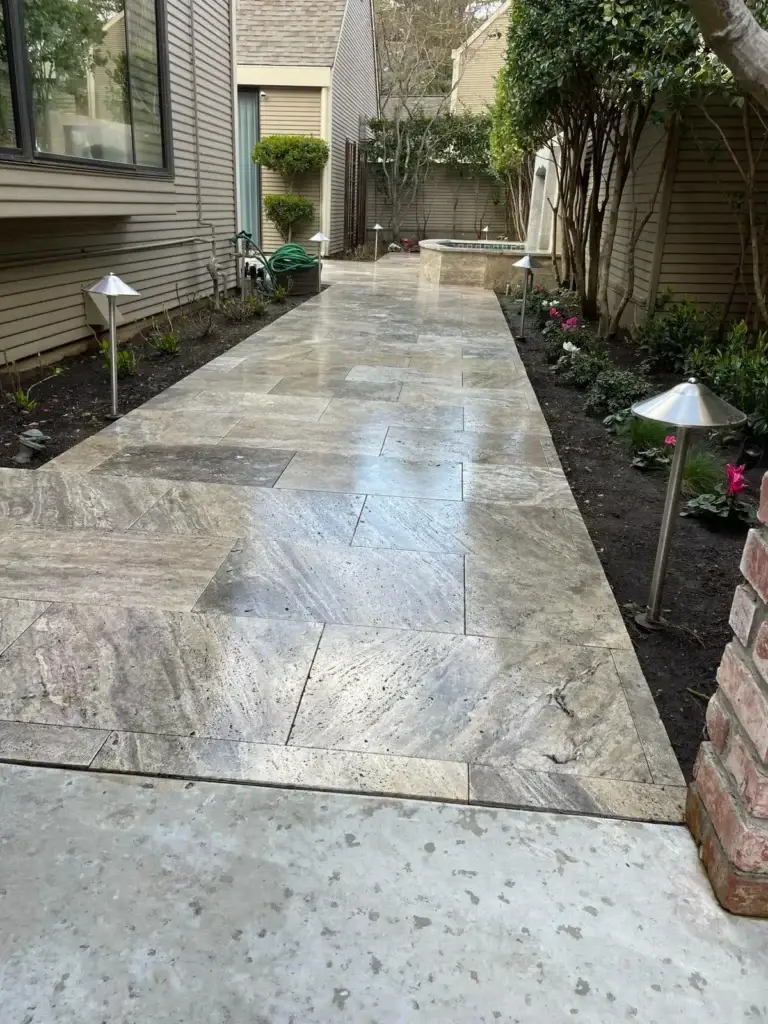
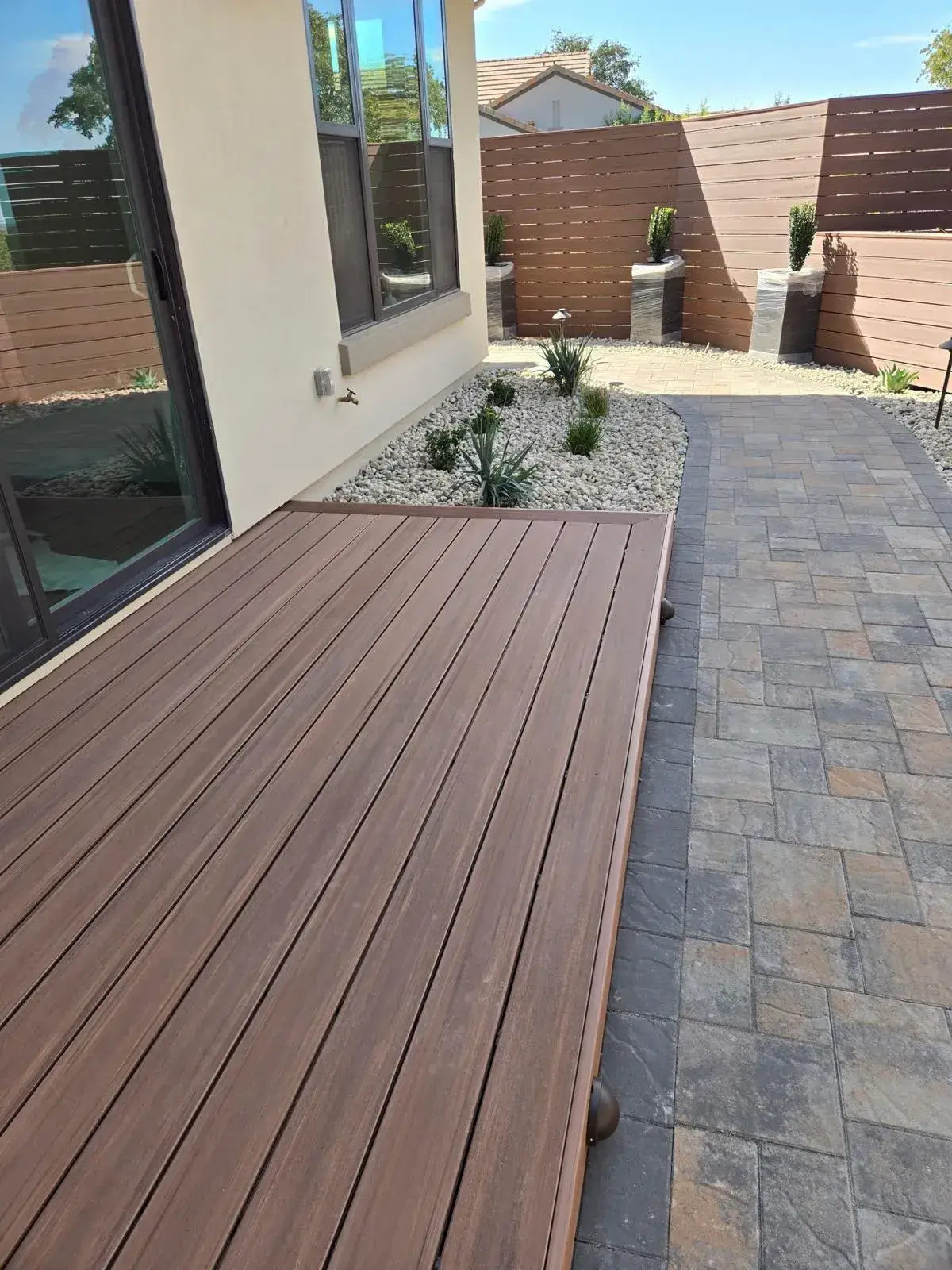
Hardscaping covers durable installations that improve patios and other outdoor areas. Typical installations include pavers, natural stone, and concrete to create functional, attractive spaces for relaxation and entertaining. Proper hardscaping defines zones, improves access, and can increase property value.
Which Materials Are Best for Durable and Elegant Hardscape Features?
Choose materials for their durability and appearance. Common options include:
- Natural Stone : Offers a timeless look and exceptional durability, making it ideal for patios and walkways.
- Pavers : Available in various colors and patterns, pavers provide flexibility in design while ensuring strength and longevity.
- Concrete : A cost-effective option that can be stamped or stained to mimic more expensive materials, providing versatility in outdoor design.
The correct material choice enhances appearance and ensures long-term performance.
How Does Custom Patio and Walkway Design Improve Residential Outdoor Spaces?
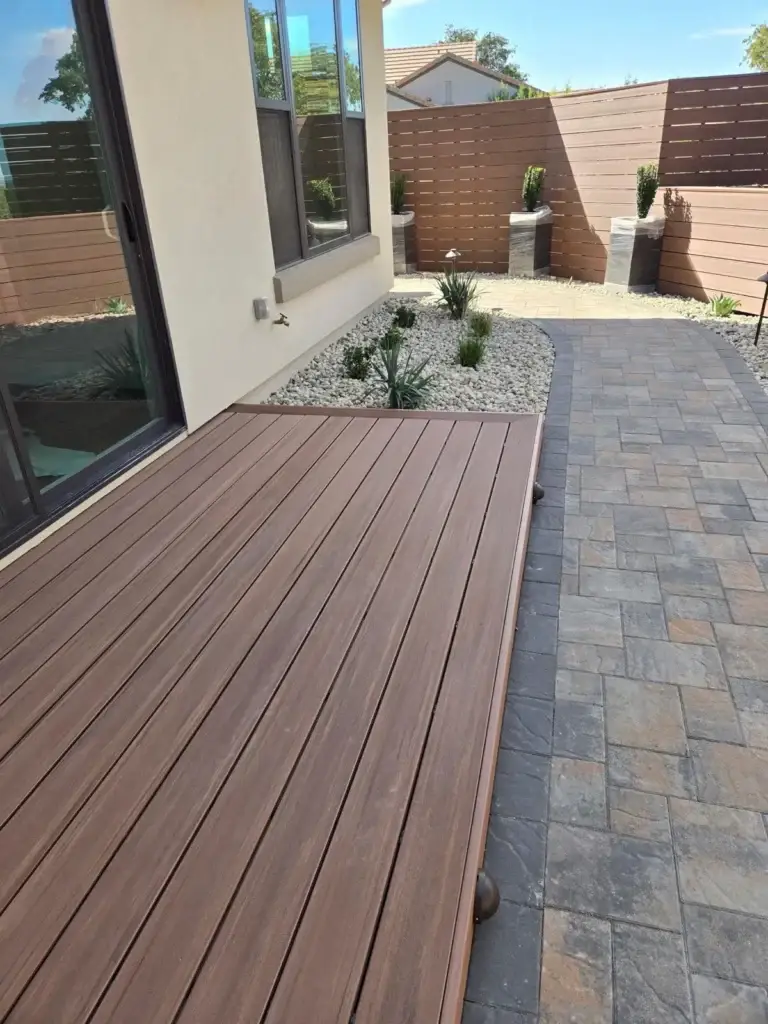
Custom patios and walkways improve both function and appearance. Tailored layouts create dedicated zones for dining, lounging, or entertaining. For example, a patio can function as an outdoor living room with appropriate seating and lighting. Well-placed walkways guide guests and improve circulation.
How Do Softscaping Services Complement Landscape Design with Native and Drought-Tolerant Plants?
Softscaping introduces plantings that support both beauty and sustainability. Native and drought-tolerant species reduce water use and maintenance, making them well suited to the Sacramento climate. They also support local wildlife and promote biodiversity.
What Are the Benefits of Selecting Softscape Plants for Yards in the Sacramento Region?
Using native plants for Sacramento yards delivers several clear benefits:
- Water Efficiency : Native plants are adapted to local climate conditions, requiring less irrigation and reducing water usage.
- Low Maintenance : These plants typically need less care, allowing homeowners to enjoy their gardens without extensive upkeep.
- Environmental Benefits : Native plants support local ecosystems by providing habitats for wildlife and promoting pollinator activity.
Correct plant selection produces attractive, low-water landscapes that support the local environment.
How Is Plant Selection and Installation Tailored to Sustainable Landscaping Practices?
Plant selection and installation are tailored to site conditions such as soil type, sun exposure, and water availability. A professional designer recommends species that thrive in those conditions and bolster ecosystem health.
For example, diverse native plantings improve soil structure and reduce reliance on chemical fertilizers. Organic mulch retains moisture and suppresses weeds, further supporting sustainable maintenance.
What Are the Key Features and Benefits of Custom Outdoor Living Spaces?
Custom outdoor living areas are planned to suit homeowners’ lifestyles. They provide functional, inviting zones for relaxation and entertainment and may include outdoor living services, fire pits, and comfortable seating, all specified to client preferences.
How Do Integrated Outdoor Living Solutions Enhance Homeowner Lifestyle and Property Value?
Integrated outdoor solutions expand usable living space and create areas for gatherings. Outdoor kitchens enable smooth entertaining; fire pits add warmth and evening ambiance. These improvements also tend to increase property appeal to prospective buyers.
Which Outdoor Living Features Are Popular in High-End Sacramento Residences?
High-end Sacramento residences often incorporate luxurious outdoor living features, including:
- Outdoor Kitchens : Fully equipped with grills, sinks, and refrigerators, these spaces make outdoor cooking and dining a pleasure.
- Fire Pits : Providing warmth and a focal point for gatherings, fire pits are a popular addition to outdoor spaces.
- Smart Irrigation Systems : These systems optimize water usage, ensuring that gardens remain lush while conserving resources.
These features elevate the outdoor experience and reflect quality construction and thoughtful design.
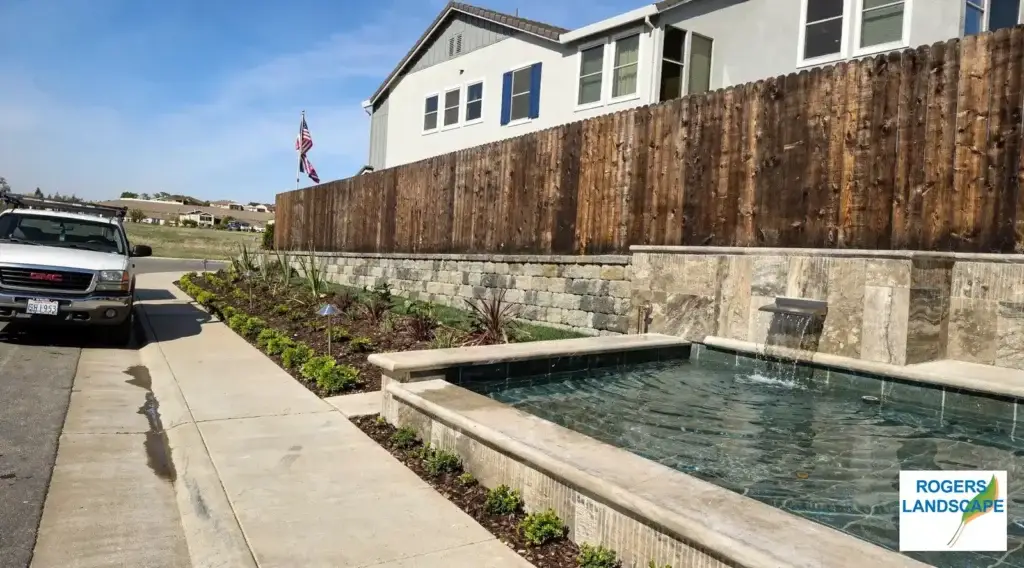
How Do Retaining Walls and Structural Hardscapes Support Landscape Design and Functionality?
Retaining walls and structural hardscapes deliver both practical support and visual structure. They control erosion, create level planting or activity areas, and help organise the landscape.
What Materials and Construction Techniques Ensure Long-Lasting Retaining Walls?
Wall lifespan depends on material choice and construction method. Common materials include:
- Concrete Blocks : Durable and versatile, these blocks can be stacked to create strong walls.
- Natural Stone : Offers a rustic look while providing excellent stability.
- Treated Timber : While less durable than stone or concrete, treated timber can be used for a more natural appearance.
Ensuring correct drainage and backfill is essential for long-term stability.
How Do Retaining Walls Contribute to Outdoor Space Usability and Aesthetics?
Retaining walls create usable flat areas for planting or recreation. They can integrate seating or planter beds to add function and visual interest, serving as an attractive backdrop for gardens.
What Is the Consultation Process and How Do Client Testimonials Reflect Service Quality?
Consultation is a key step to align the project with client goals. It includes a site assessment, discussion of design preferences, and recommendations that match the homeowner’s vision.
How Does Rogers Landscape Personalize Design Consultations for Optimal Client Satisfaction?
Rogers Landscape focuses on personalised consultations. By learning client preferences and lifestyle requirements, the team develops tailored plans. Clear communication throughout the project builds trust and helps deliver the agreed outcome.
What Do Recent Client Reviews Reveal About Project Outcomes and Reliability?
Recent client reviews underscore Rogers Landscape’s workmanship and attention to detail. Reviewers highlight the team’s reliability and their record of completing projects on schedule and within budget. You can read more about this on client testimonials.
How Does Sustainable and Drought-Tolerant Landscaping Benefit Sacramento Homeowners?
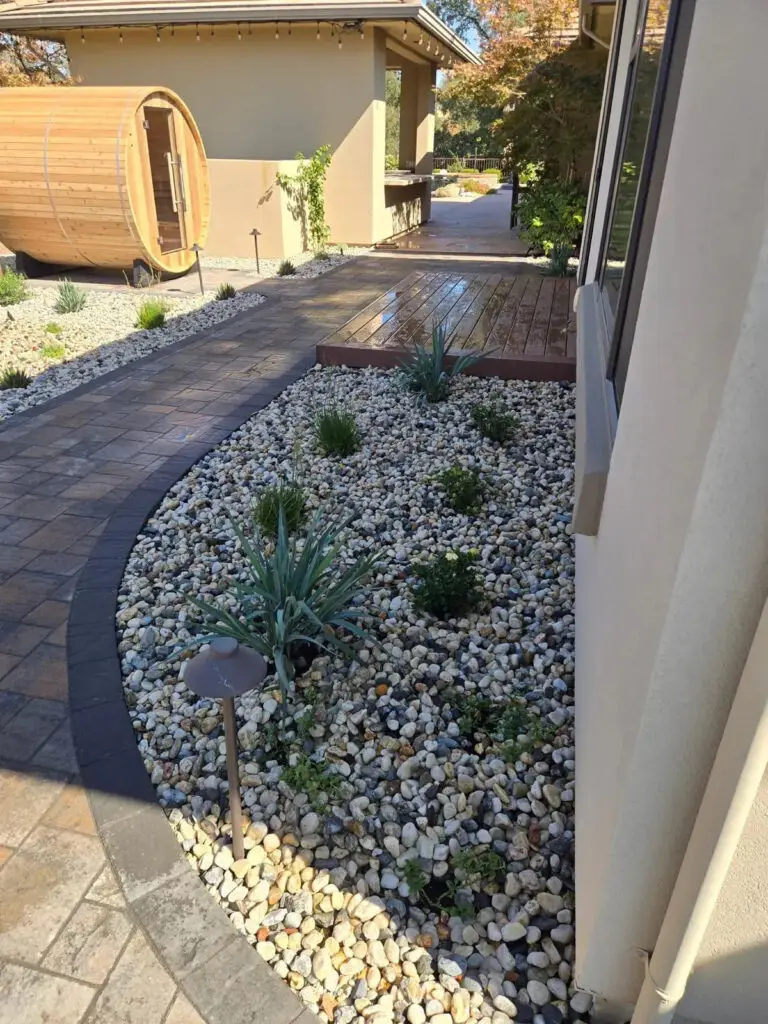
Sustainable, drought-tolerant landscaping suits Sacramento’s climate. Eco-conscious practices produce attractive yards that require less water and routine care.
Which Eco-Friendly Materials and Smart Irrigation Systems Are Recommended?
Selecting eco-friendly materials and smart irrigation improves project sustainability. Recommended options include:
- Recycled Pavers : These provide a sustainable option for hardscaping while reducing waste.
- Native Plants : As previously mentioned, these require less water and maintenance.
- Smart Irrigation Systems : These systems adjust watering schedules based on weather conditions and soil moisture, optimizing water usage.
Using these elements conserves resources and supports a healthier outdoor environment.
How Do Sustainable Practices Reduce Maintenance and Water Usage Over Time?
Practices like drought-tolerant planting and efficient irrigation lower water use and maintenance over time. Choosing appropriate species reduces the need for frequent watering and chemical fertilizers, saving time and money while improving sustainability.
Frequently Asked Questions
What is the difference between hardscaping and softscaping?
Hardscaping denotes nonliving features—patios, walkways, retaining walls—that provide structure and function. Softscaping covers living elements—plants, trees, flowers—that add color and life. Together they create balanced, usable outdoor spaces.
How can I choose the right plants for my garden?
Select plants based on climate, soil, and sun exposure. Native and drought-tolerant species are reliable choices because they suit local conditions and need less upkeep. Consult a landscape designer to choose plants that thrive and support garden health.
What are the maintenance requirements for hardscaping features?
Hardscaping maintenance varies by material. Typical tasks include regular cleaning, occasional sealing for stone or pavers, and inspections for structural issues. Proper drainage prevents water damage and extends the life of hardscape elements.
Can I incorporate both hardscaping and softscaping in a small yard?
Yes. Hardscaping can define zones in a small yard to maximise usability, while softscaping adds greenery and visual softness. Thoughtful design ensures both elements complement each other without crowding the space.
What are the benefits of hiring a professional for landscaping projects?
Hiring a professional delivers expertise in design, plant selection, and installation. Professionals provide tailored solutions that match your vision and budget, use quality materials and tools, and avoid common mistakes—saving time and cost over the project lifecycle.
How can I make my outdoor space more eco-friendly?
Adopt sustainable practices: use native, drought-tolerant plants; choose recycled or low-impact materials; install smart irrigation; compost and use organic mulch. These steps improve soil health, reduce waste, and lower water use.
Conclusion
Upgrading your outdoor space with professional hardscaping and softscaping enhances both beauty and function. Durable materials and sustainable plant choices create inviting environments that reflect personal style and support ecological health. Engaging experienced professionals provides tailored solutions that meet specific needs and can raise property value. Discover how our services can help you achieve the outdoor oasis of your dreams today.