
Homeowners increasingly prioritise sustainable landscape design to create outdoor spaces that work with local ecosystems. This article profiles leading Lincoln landscape contractors who specialise in eco-friendly methods and explains the core principles of sustainable landscaping. You will learn the benefits of native plants, how water-efficient irrigation supports conservation, and practical criteria for selecting the right landscape contractor. We also summarise maintenance best practices to keep an eco-friendly landscape healthy year-round.
Key Takeaways
We’re based in Loomis, CA, with 15 skilled employees serving Lincoln’s sustainability-focused homeowners directly.
Our design process starts with careful listening, ensuring every landscape reflects your lifestyle and eco-conscious goals.
We deliver complete solutions covering design, planning, and installation for lasting, sustainable outdoor transformations.
Transparent, professional service defines our approach, giving Lincoln clients clear expectations from consultation through project completion.
What Defines Sustainable Landscape Design in Lincoln?
Sustainable landscape design in Lincoln focuses on creating outdoor spaces that are environmentally responsible and resource efficient. This approach combines practices that support ecological balance, conserve water and increase biodiversity. By prioritising native plants and responsibly sourced materials, landscape contractors design sites that are suited to the local climate and reduce long-term environmental impact. The result is a functional, attractive landscape that benefits both homeowners and the broader ecosystem.
Key Principles of Eco-Friendly Landscape Contracting
Core principles include selecting native plants, using efficient irrigation, and applying organic gardening methods. Native species are already adapted to local conditions, so they need less water and upkeep while supporting wildlife. Targeted irrigation, such as drip systems, delivers water to roots and reduces waste. Organic practices limit chemical use and support healthier soil and water quality.
How Native Plants Enhance Lincoln Gardens
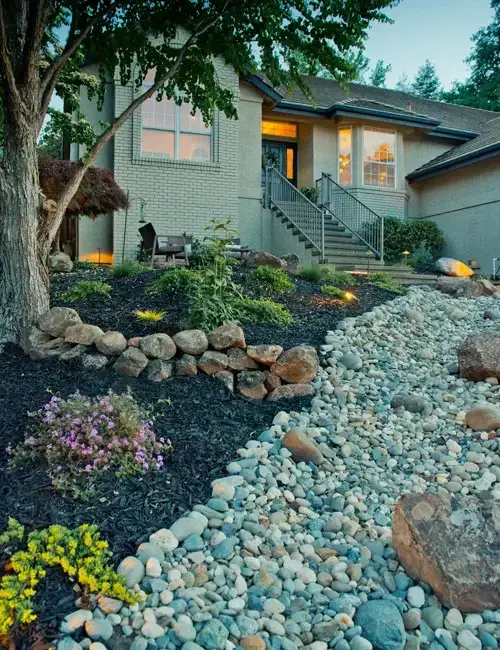
Using native plants improves biodiversity by providing habitat and food for local pollinators and other wildlife. Many native species are drought tolerant, which lowers irrigation needs and conserves water. Reduced reliance on chemicals supports soil health and protects local waterways, making native planting a practical choice for sustainable gardens.
Which Local Landscape Contractors Specialize in Sustainable Design?
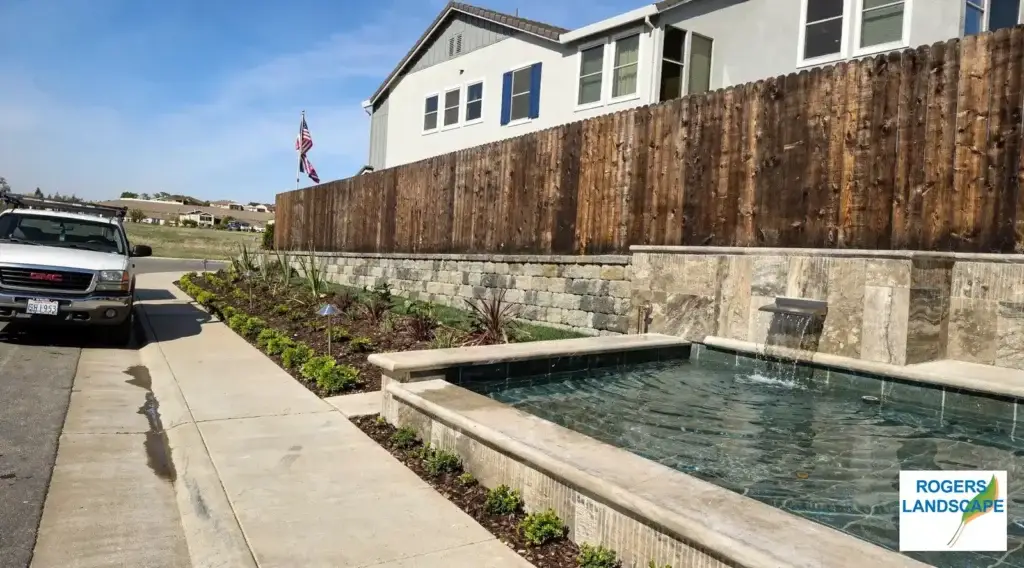
Several Lincoln firms concentrate on sustainable design and offer solutions tailored to eco-friendly objectives. Rogers Landscape and Design is frequently noted for its emphasis on native planting and low-impact materials. Their experience in sustainable landscape contracting helps homeowners achieve designs that reflect environmental priorities while meeting practical needs.
Profiles of Leading Green Landscape Contracting Firms in Lincoln
Leading firms in the area, including Rogers Landscape and Design, have developed a track record in sustainable projects. Their work commonly features native plantings, water-efficient irrigation, and recycled or locally sourced materials. These examples demonstrate a consistent commitment to designs that deliver environmental and aesthetic value.
How to Choose Residential Landscape Contractors Near Me for Sustainability
Selecting a residential landscape contractor for sustainable design requires focused research. Verify credentials and specific experience with sustainable projects. Review portfolios to assess design approach and past results. Read client testimonials to confirm reliability and the firm’s ability to deliver on eco-friendly objectives.
What Are the Benefits of Sustainable Outdoor Space Design Services?
Sustainable outdoor design delivers benefits beyond appearance. It promotes environmentally responsible practices that can reduce long-term costs and improve property value. Homeowners gain landscapes that require less water and maintenance while providing lasting utility and enjoyment.
Environmental and Water Conservation Advantages
Sustainable landscaping reduces water use and protects local ecosystems. Installing water-efficient irrigation and choosing drought-tolerant plants lowers consumption and limits chemical runoff. These measures conserve resources and help maintain healthier local habitats.
Long-Term Cost Savings and ROI for Homeowners
Investing in sustainable landscaping can reduce ongoing maintenance and utility expenses. Durable materials and efficient layouts lower repair and operational costs, while reduced water and chemical use cut bills. Over time, these factors can improve a property’s market value and deliver a measurable return on investment.
How Do Water-Efficient Irrigation Systems Support Sustainable Landscaping?
Water-efficient irrigation systems are central to sustainable landscaping because they optimise water delivery and support plant health. These systems target the root zone to reduce evaporation and runoff, ensuring plants receive the moisture they need with minimal waste.
Technologies Used in Lincoln for Water Conservation
Lincoln projects commonly use smart irrigation controllers that adjust schedules based on weather and soil conditions. Converting turf to drought-resistant grasses is another common tactic to cut water use while maintaining a green appearance. Both approaches contribute to measurable water savings.
Integration of Smart Irrigation in Landscape Contracting
Smart irrigation can be integrated into landscape design to improve control and efficiency. Systems that connect to mobile apps let homeowners monitor and modify schedules remotely. This precision reduces overwatering, supports plant health and helps achieve consistent water savings.
Studies demonstrate that smart irrigation controllers can deliver significant residential water savings, reinforcing their practical value.
Smart Irrigation for Residential Water Conservation Savings numbers in new studies across multiple soil types and climates are similar to those summarized in 2011 and are summarized here as 51% in research plot studies and 30% in single-family homes. Studies of the human factors have begun showing how important the users are to success of the technology. Education in implementation remains important to achieve potential water conservation. Two decades of smart irrigation controllers in US landscape irrigation, MD Dukes, 2020
What Sustainable Hardscaping Materials Are Recommended by Lincoln Experts?
Sustainable hardscaping materials support long-term durability while reducing environmental impact. Lincoln experts recommend materials chosen for low embodied impact, longevity and functional performance, alongside aesthetic suitability for the site.
Sustainable material selection emphasises manufacturing processes that are cost-effective and environmentally responsible, delivering measurable benefits.
Sustainable Material Selection for Eco-Friendly Design Sustainable manufacturing is defined as the production of manufactured goods using cost-effective procedures that reduce negative environmental consequences while preserving energy and natural resources. Sustainable business strategies are bringing significant financial and environmental benefits to an increasing number of manufacturers. Sustainable material selection, YS Bisht, 2023
Eco-Friendly Options for Durable Outdoor Surfaces
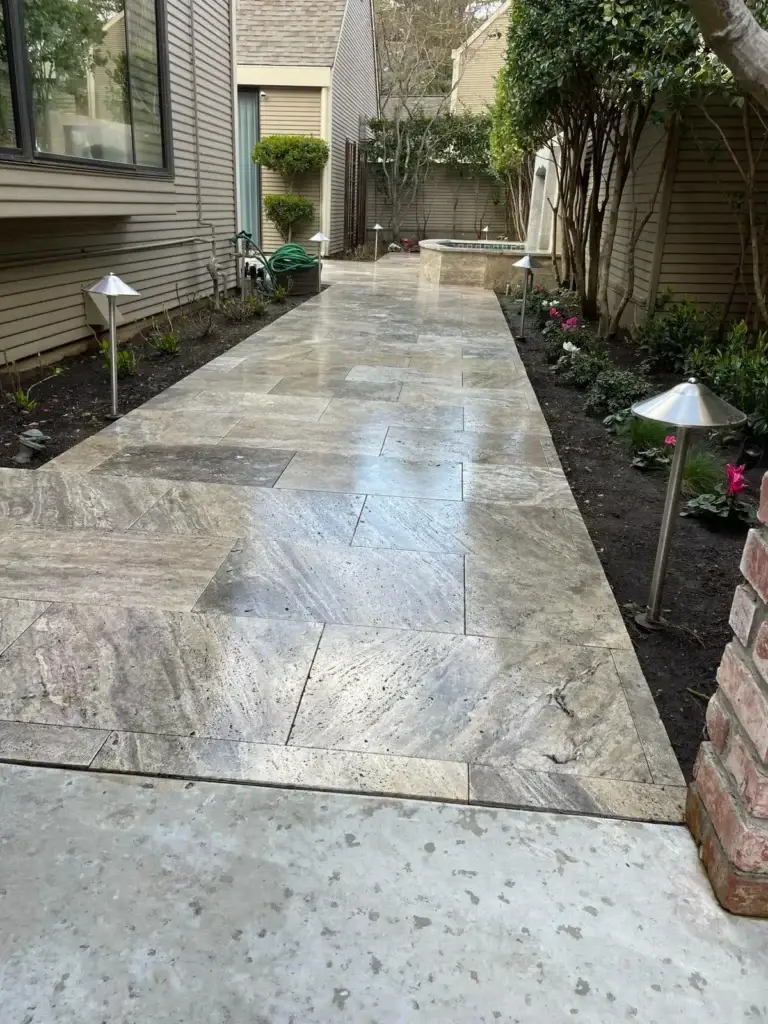
Homeowners should consider permeable pavers, recycled concrete and natural stone for hardscaping. These options enhance the look of outdoor spaces and support stormwater management by allowing rainwater to infiltrate the ground, which reduces runoff and erosion.
Research highlights the important role of permeable pavements in sustainable stormwater management and the factors that influence their performance.
Permeable Pavement for Sustainable Stormwater Management This paper reviews the current status of permeable pavement research and limitations of its applicability. It discusses the influence of design factors such as permeable pavement type, mix design of porous concrete/asphalt, aggregate materials, particle size and distribution, sub-base depth, and layer setting on hydraulic, structural, and environmental performances of the pavement. Permeable pavement as a stormwater best management practice: a review and discussion, U Kuruppu, 2019
Comparing Environmental Impact of Common Hardscape Materials
Hardscape materials differ in environmental effect. Conventional concrete can increase surface temperatures and runoff, while permeable alternatives promote groundwater recharge and can reduce surface heat. Homeowners should evaluate these trade-offs to choose materials that support sustainable performance on their site.
How Can Homeowners Maintain Eco-Friendly Landscapes Year-Round?
Year-round care is required to keep eco-friendly landscapes functioning and attractive. Homeowners should adopt routine practices tailored to local seasons to protect plant health and conserve resources.
Best Practices for Sustainable Garden Maintenance in Lincoln
Effective maintenance includes regular pruning, applying mulch and using efficient irrigation. Pruning preserves plant structure and vigour, mulch conserves moisture and limits weeds, and targeted irrigation delivers water where it is most needed, reducing waste.
Seasonal Tips for Native Plant Care and Water Management
Adjust care by season: modify watering schedules for rainfall and temperature changes, select mulch appropriate to soil type, and avoid unnecessary fertilisers. These steps improve plant resilience and reduce dependence on chemical inputs.
Frequently Asked Questions
What are the initial steps to start a sustainable landscaping project?
Begin by assessing your site—note microclimates, soil conditions and existing vegetation. Identify native plants suited to your plot and define clear design goals. Plan how to integrate water-efficient irrigation and organic practices. Finally, consult a landscape contractor experienced in sustainable design to develop a practical, site-specific plan.
How can I ensure my landscape design is environmentally friendly?
Prioritise native species, specify water-efficient irrigation and choose low-impact hardscaping materials. Adopt organic gardening to avoid chemical damage to soil and waterways. Regular maintenance—mulching, targeted watering and monitoring—will sustain the environmental performance of your design.
What role do landscape contractors play in sustainable design?
Landscape contractors evaluate site conditions—soil, climate and local ecosystems—and translate ecological principles into practical designs. They select appropriate native plants, design efficient irrigation systems, and recommend sustainable materials. Their guidance helps ensure the final landscape is both attractive and environmentally responsible.
Are there financial incentives for choosing sustainable landscaping?
Yes. Many local authorities and organisations offer rebates or grants for water-efficient irrigation and native planting. Sustainable landscaping also reduces ongoing water and maintenance costs and can increase property value. Check local programmes to identify available incentives in your area.
How can I incorporate smart technology into my landscape design?
Smart irrigation systems use weather and sensor data to adjust watering automatically, reducing waste. Mobile app integration allows remote monitoring and control. Soil moisture sensors further refine scheduling so you water only when necessary, improving plant health and conserving water.
What are the best practices for seasonal maintenance of sustainable landscapes?
Adjust routines with the seasons: in spring focus on pruning and mulching; in summer monitor and adapt irrigation; in fall consider cover crops or soil amendments to improve soil health; in winter protect sensitive plants from frost. Regular assessments of plant and soil condition ensure ongoing sustainability.
Conclusion
In closing, sustainable landscape design rewards homeowners who choose a partner grounded in transparent process and durable craftsmanship. Lincoln properties benefit most when design, permitting, and construction remain coordinated under one accountable team, rather than fragmented across separate vendors. Rogers Landscape brings a design-build approach to every Lincoln, CA property, backed by transparent communication and dedicated craftsmanship from consultation through completion. Call us or email us at office@rogerslandscaping.com to schedule a consultation and take the first step toward a sustainable, lasting outdoor space.